Embark on a Thrilling Adventure with DIY Aircraft Experiments
Category : |
Sub Category : Posted on 2023-10-30 21:24:53
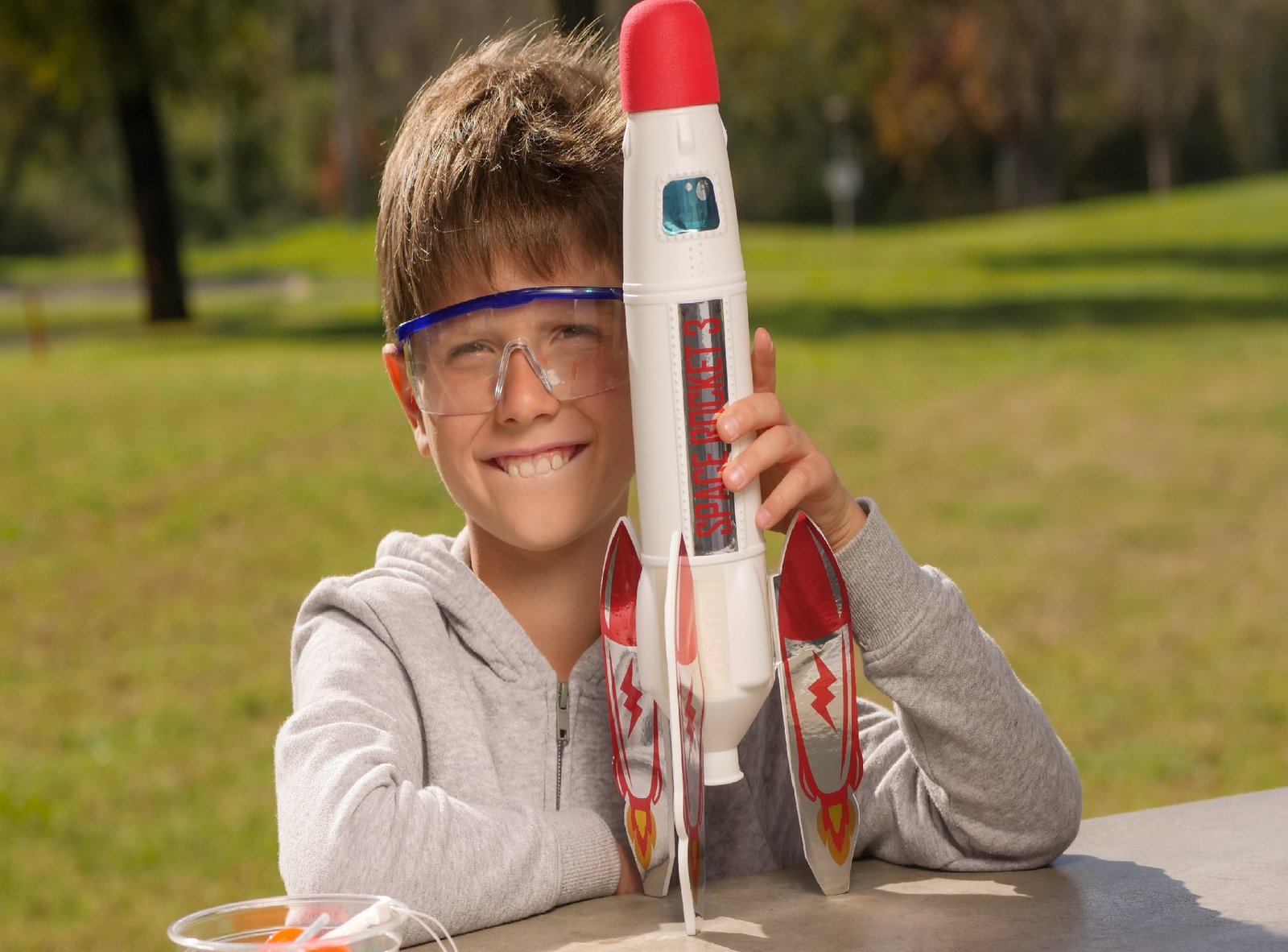
Introduction: Have you ever dreamt of taking to the skies in your very own aircraft? The world of do-it-yourself (DIY) experiments in aviation offers possibilities that can turn this dream into a reality. From building model airplanes to designing and constructing your own aircraft, DIY aircraft experiments provide an adrenaline rush and an opportunity to explore the wonders of flight. In this blog post, we will delve into the fascinating world of DIY aircraft experiments and discuss the steps to get started, safety precautions, and the immense satisfaction that comes with soaring through the air in your own creation. 1. Getting Started: Planning and Building Building an aircraft from scratch requires careful planning and a thorough understanding of aeronautical principles. Start by researching online resources, books, and attending workshops to familiarize yourself with aircraft design, aerodynamics, and regulations. Sketch out your aircraft concept, considering factors like size, weight, power source, and control mechanisms. Once you have a well-thought-out plan, gather the necessary materials, tools, and components and begin constructing your aircraft. Whether you choose a remote-controlled model aircraft or opt for powered flight, the principles remain the same patience, precision, and perseverance. 2. Safety First: Legal Considerations and Pre-flight Checks Before taking your DIY aircraft for a test flight, it's crucial to adhere to legal regulations and prioritize safety. Research the rules and regulations regarding recreational aircraft in your region to ensure you are in compliance. Joining local flying clubs or organizations can provide valuable guidance and help ensure a safer flying experience. Additionally, perform thorough pre-flight checks and inspections to ensure the structural integrity, control surfaces, and power systems of your aircraft are in optimal condition. Remember, safety should always be your top priority. 3. Experiment and Innovate: Pushing the Boundaries of DIY Aviation One of the most exciting aspects of DIY aircraft experiments is the opportunity to explore and innovate. Once you have mastered basic airplane building and flight techniques, consider pushing the boundaries by experimenting with different materials, new propulsion systems, or unconventional designs. Research and learn from others who have embarked on similar projects, and don't be afraid to think outside the box. It is through these experiments that new breakthroughs and advancements in DIY aviation are made. 4. The Joy of Flight: Experiences and Community Launching your DIY aircraft for the first time and experiencing the thrill of flight is an incredible moment. The satisfaction derived from seeing your creation soar through the air is unmatched. Embrace the joy of flight, but also take the time to document and share your experiences with others. Joining DIY aviation forums, attending air shows, and participating in competitions or exhibitions can connect you with a passionate community of like-minded individuals who share the same enthusiasm for aviation. Conclusion: DIY aircraft experiments offer an exhilarating journey into the world of aviation. From planning and building to the joy of flight and innovation, this hobby provides endless opportunities for adventure and personal growth. Remember to approach your projects with meticulous planning, prioritize safety, and unleash your creativity. Through these experiments, you join a vibrant community of aviation enthusiasts who are pushing the boundaries of DIY aviation. So, why not step outside of your comfort zone, embrace the challenges, and embark on your own DIY aircraft adventure? The sky's the limit! Get more at http://www.s6s.org


