The Benefits of DIY Experiments in Educational Planning
Category : |
Sub Category : Posted on 2023-10-30 21:24:53
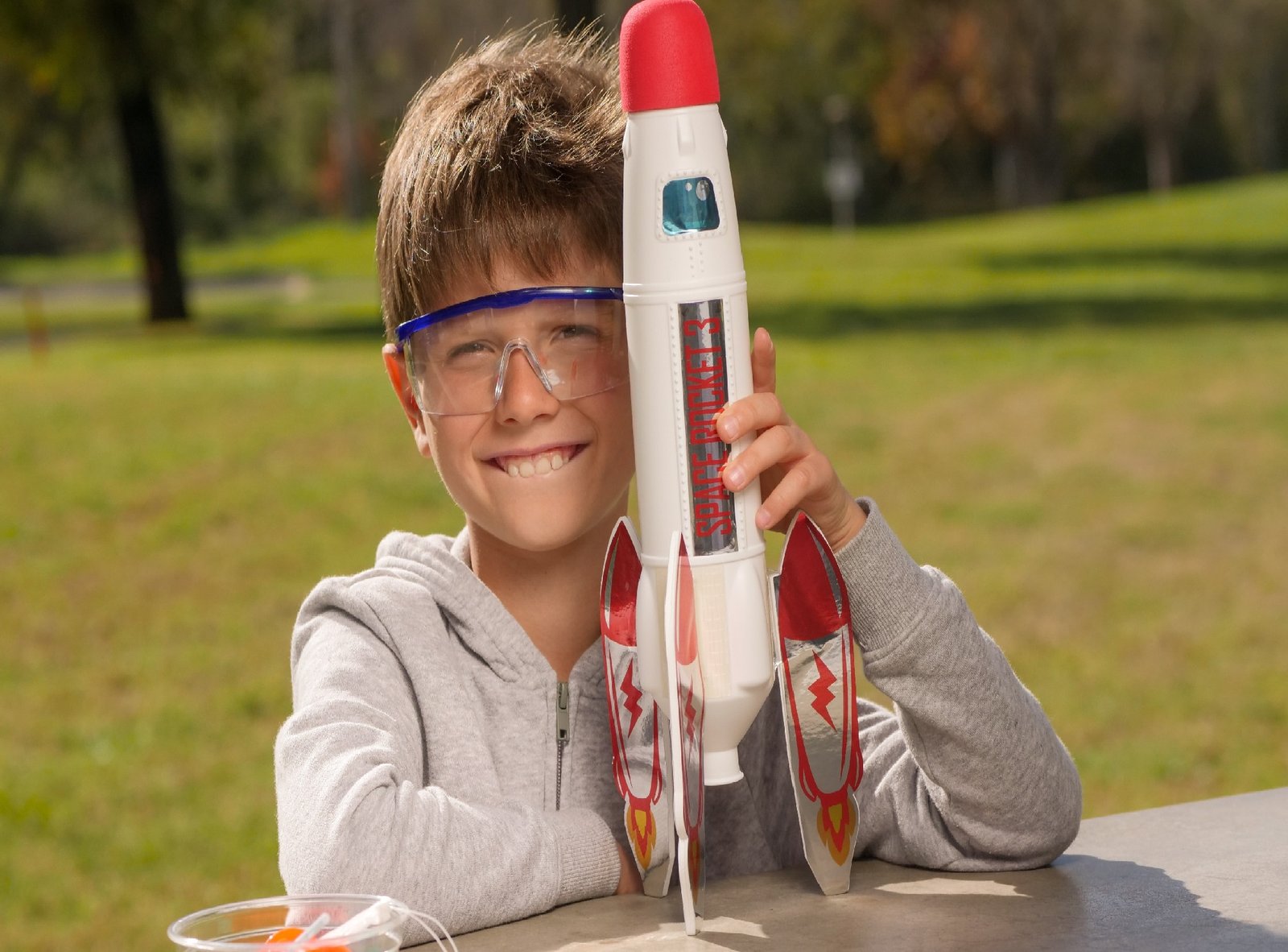
Introduction: Education planning plays a vital role in shaping the minds of future generations. As educators and parents, we are constantly on the lookout for innovative and effective ways to enhance learning experiences for students. One such method gaining popularity is incorporating DIY experiments into educational planning. In this blog post, we will explore the benefits of DIY experiments in education and how they can revolutionize traditional teaching methods. 1. Hands-on Learning: One of the most significant advantages of DIY experiments in education planning is the opportunity for hands-on learning. Traditional classroom teaching often relies on theoretical concepts, which can sometimes be challenging for students to grasp. By engaging in practical experiments, students are exposed to real-life applications of these concepts, making learning more tangible and interactive. This hands-on experience fosters a deeper understanding of the subject matter, leading to improved knowledge retention and critical thinking skills. 2. Problem-Solving Skills: DIY experiments inherently involve creating and solving problems. Students are encouraged to think critically and creatively to design experiments, gather materials, and draw conclusions from their findings. This process develops invaluable problem-solving skills that are transferable to various real-world scenarios. By actively participating in these experiments, students become active learners who can identify problems, brainstorm solutions, and apply their knowledge in practical situations. 3. Cultivating Curiosity and Motivation: DIY experiments in education planning stimulate curiosity and motivation among students. When students are active participants in their learning process, they develop an intrinsic motivation to explore and seek answers. Experimentation ignites curiosity, encouraging students to question, investigate, and analyze outcomes. This curiosity-driven approach fosters a love for learning, as students become excited about discovering knowledge through their own hands-on experiments. 4. Collaboration and Communication: Implementing DIY experiments in education planning also cultivates collaboration and communication skills. Students can work in groups to conduct experiments, fostering teamwork, and encouraging peer-to-peer learning. Collaborative experiments often require effective communication to discuss ideas, delegate tasks, and share findings. By engaging in these activities, students not only enhance their understanding of the subject matter but also develop essential teamwork and communication skills necessary for future endeavors. 5. Adaptability and Flexibility: DIY experiments allow for adaptability and flexibility in education planning. Teachers can tailor experiments to suit the specific needs and interests of their students. By incorporating hands-on experiments, educators can cater to different learning styles, making education more inclusive and engaging. Additionally, DIY experiments can be adjusted to accommodate various age groups and learning levels, ensuring that students at all stages of education benefit from this innovative approach. Conclusion: DIY experiments in education planning have revolutionized traditional teaching methods. By providing hands-on learning experiences, fostering problem-solving skills, igniting curiosity, encouraging collaboration and communication, and promoting adaptability, these experiments enhance the overall learning journey for students. As educators and parents, let us embrace DIY experiments as a powerful tool to empower students, cultivate a love for learning, and prepare them for success in the ever-changing world. also this link is for more information http://www.upital.com


