DIY Experiments and Government Regulations: Finding the Balance
Category : |
Sub Category : Posted on 2024-01-30 21:24:53
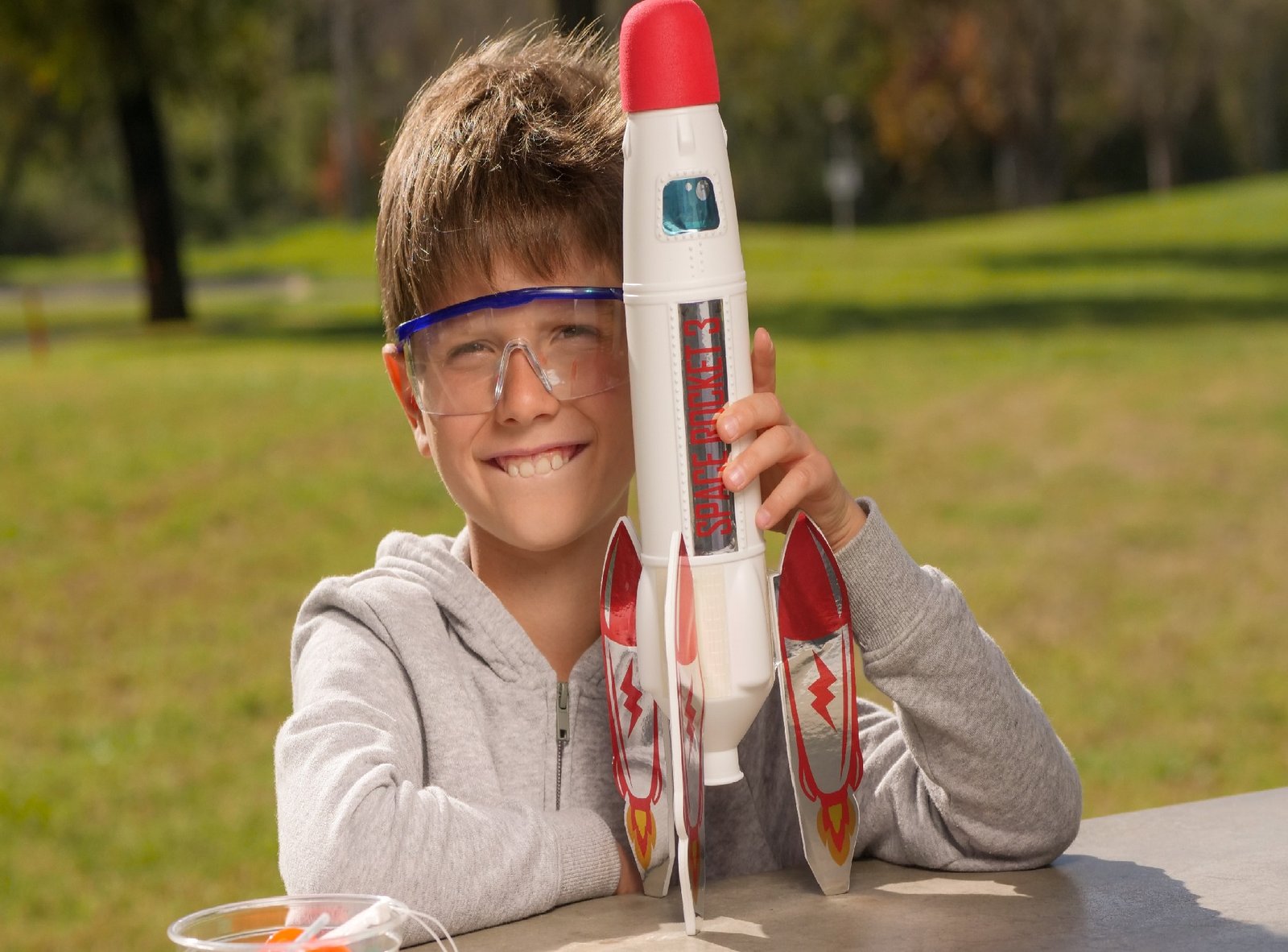
Introduction: DIY (Do-It-Yourself) experiments have gained immense popularity in recent years, with individuals taking on projects ranging from home renovations to scientific experiments. While these endeavors can be exciting and educational, it is important to understand the role government regulations play in ensuring safety and legality. In this blog post, we will explore the intersection of DIY experiments and government regulations, and discuss ways to navigate this balance effectively.
1. Understanding Government Regulations: Government regulations are put in place to promote safety, protect the environment, and ensure ethical practices. Depending on the nature of your DIY experiment, there may be specific regulations or permits required before you can proceed. It is vital to research and understand these regulations to avoid potential legal issues and to prioritize the safety of yourself and others involved.
2. Identifying DIY Experiment Categories: To better understand the regulations that may apply to your DIY experiment, it is helpful to categorize it into different areas. These categories can include simple crafts, home improvements, scientific experiments, or even more complex projects like building a drone or conducting genetic engineering. Each category may have different regulations governing its practice, ensuring the safety of both you and the wider community.
3. Researching Applicable Regulations: Once you have identified the category of your DIY experiment, it is crucial to research the applicable government regulations. These can vary depending on your location, so it is important to consult with the appropriate local and national authorities. Some common areas worth exploring include building codes, safety standards, environmental impact regulations, and any special permits or licenses required.
4. Prioritizing Safety: One of the core purposes of government regulations is to ensure safety. When embarking on a DIY experiment, it is essential to prioritize safety measures. This can include researching guidelines, using proper protective equipment, and ensuring you have adequate knowledge and skills to carry out the experiment safely. Regularly evaluating and addressing potential risks will contribute to a safer and more successful DIY experiment.
5. Collaborating and Seeking Expert Advice: In certain cases, DIY experiments may require collaboration with professionals or experts in the field to ensure compliance with regulations. Seek out advice from relevant experts or organizations who can guide you through the process. They can provide insights into best practices, potential risks, and necessary permits, helping you stay on the right side of the law while pursuing your project.
6. Documenting and Recording: When engaging in DIY experiments, it is crucial to keep thorough documentation. Records such as permits, safety precautions, materials used, and experiment methodologies can be valuable in showcasing compliance with government regulations. Documentation not only ensures accountability but also allows for easier troubleshooting and sharing of knowledge with others interested in similar projects.
Conclusion: DIY experiments provide a fantastic opportunity for personal growth, creativity, and innovation. However, it is essential to understand and comply with government regulations to maintain safety and legality. By researching and adhering to relevant regulations, prioritizing safety, and seeking expert advice when necessary, you can strike the perfect balance between your DIY experiment and government oversight. So go forth, explore, and experiment responsibly! For a fresh perspective, give the following a read http://www.advisedly.net


