DIY Experiments: Understanding Insurance in Quebec
Category : |
Sub Category : Posted on 2023-10-30 21:24:53
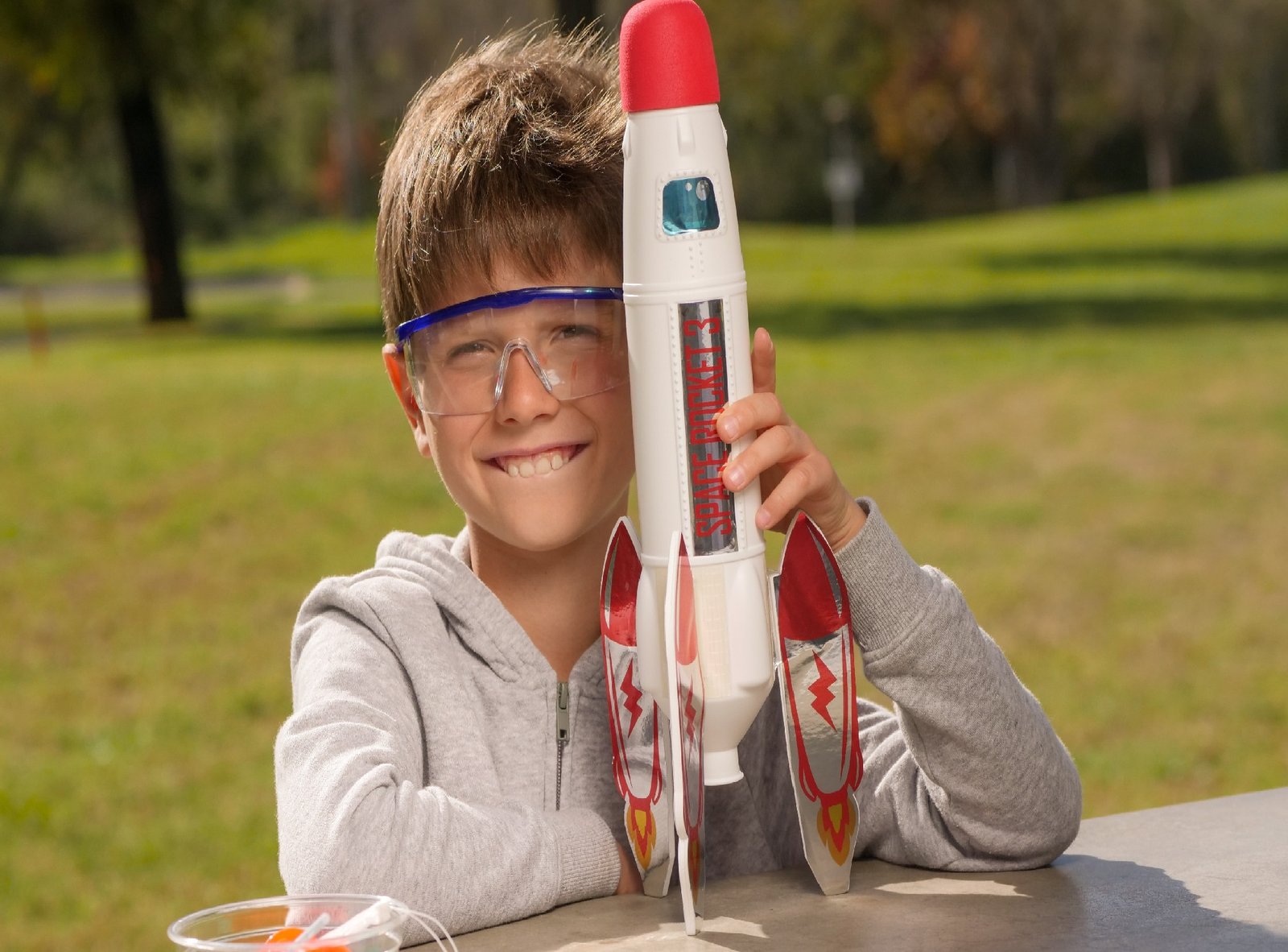
Introduction: From small-scale home renovations to innovative science projects, do-it-yourself (DIY) experiments have become increasingly popular in Quebec. While these hands-on projects can be exciting and fulfilling, it's important to understand the potential risks involved. One crucial aspect to consider is insurance coverage. In this blog post, we will delve into the world of DIY experiments and explore the significance of insurance in Quebec. 1. The Importance of Insurance: DIY experiments inherently involve a certain level of risk and uncertainty. Whether you're building a solar-powered water heater or conducting chemical reactions, accidents can happen. Insurance coverage safeguards you financially in case of property damage, personal injury, or third-party liability. It's crucial to ensure that you have appropriate coverage to avoid unexpected expenses. 2. Home Insurance in Quebec: If you are conducting DIY experiments at home, it's vital to review your existing home insurance policy. Many basic home insurance policies cover standard risks, such as fire, theft, and water damage. However, it's essential to determine if your policy extends to DIY activities and whether there are any limitations or exclusions. 3. Modifications and Renovations: DIY enthusiasts often undertake home renovations or modifications to enhance their living spaces. It's important to notify your insurer before beginning any major projects. They may require additional coverage to account for the increased risk during construction. Failure to inform your insurer may result in denied claims in case of accidents or damages. 4. Liability Insurance: In certain cases, DIY experiments may involve potential risks to others. For example, if you conduct experiments in your backyard and one of the chemicals accidentally harms a neighbor, liability insurance could protect you from legal claims. Understanding the extent of your liability coverage is crucial to ensure that you are adequately protected. 5. Specific Insurance for DIY Experiments: Depending on the nature and scale of your DIY experiments, you may need specific insurance coverage. Specialized insurance policies tailored for various types of experiments, such as scientific or technological projects, may be available. These policies can provide coverage for equipment, property damage, personal injury, and professional liability. 6. Consult with an Insurance Professional: Navigating the insurance landscape can be complex, especially when it comes to DIY experiments. It's advisable to consult with an insurance professional who specializes in this area. They can assess your specific needs, provide guidance on the right coverage options, and ensure that you have the necessary protection in place. Conclusion: Engaging in DIY experiments is an exciting and rewarding endeavor. However, it's crucial to be mindful of the potential risks involved and the importance of insurance coverage. Understanding your existing home insurance policy, considering liability coverage, and exploring specialized insurance options for DIY projects are essential steps to ensure financial protection. By taking these precautions, you can enjoy your DIY experiments with peace of mind and pursue your passion safely in Quebec. For more information: http://www.easyvie.com


