Risk Management with AI: Safeguarding DIY Experiments
Category : |
Sub Category : Posted on 2023-10-30 21:24:53
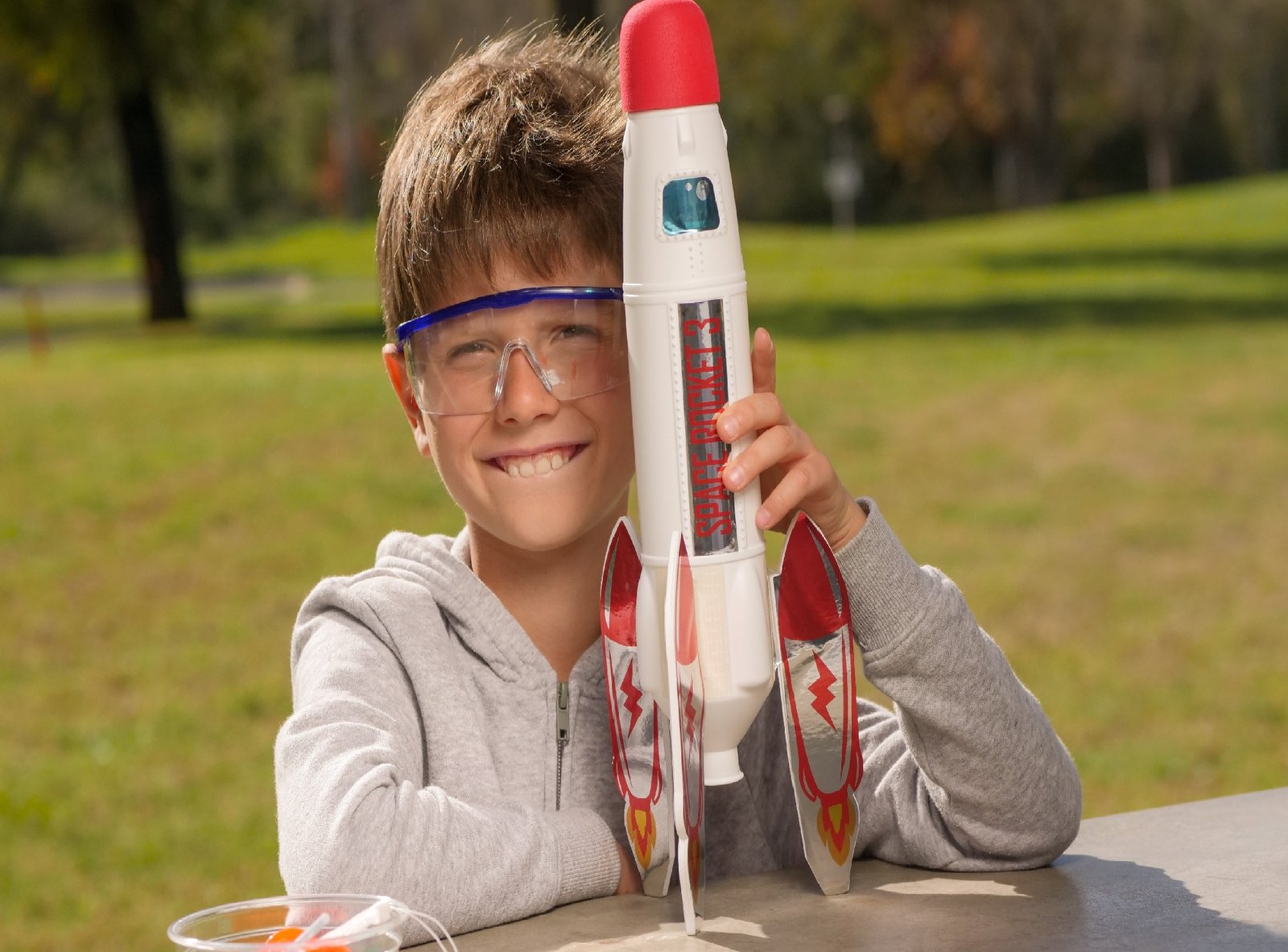
Introduction: DIY experiments can be exhilarating and educational. Whether you're a science enthusiast or simply want to explore your creative side, undertaking DIY projects at home can be a rewarding experience. However, as with any experiment, there are inherent risks involved. That's where risk management comes into play. In this blog post, we will explore how artificial intelligence (AI) can be utilized to enhance risk management in the context of DIY experiments. Understanding Risk Management: Risk management involves identifying potential risks, assessing their likelihood and impact, and implementing strategies to mitigate them. When it comes to DIY experiments, risks can range from personal injury and property damage to environmental hazards. It is crucial to have a systematic approach to managing these risks to ensure the safety of yourself and others around you. The Role of AI in Risk Management: Artificial intelligence has seen substantial advancements in recent years, and its applications are expanding into numerous fields. In the context of risk management, AI can play a significant role by analyzing data, identifying patterns, and detecting potential risks that might be overlooked by human operators. 1. Data Analysis and Pattern Recognition: AI algorithms can process vast amounts of data to identify patterns and correlations. In the realm of DIY experiments, AI can analyze historical data, including experiments performed by others, to identify common risks and best practices. This can help DIY enthusiasts make informed decisions and anticipate potential hazards. 2. Predictive Modeling: AI can use predictive modeling techniques to estimate risks associated with various DIY experiments. By considering factors such as materials used, equipment involved, and experimental parameters, AI algorithms can provide accurate risk assessments. This information enables individuals to choose the appropriate safety precautions and make informed decisions about proceeding with a particular experiment. 3. Real-time Monitoring and Response: AI-powered monitoring systems can continuously track variables such as temperature, pressure, and toxicity levels during DIY experiments. By analyzing this data in real-time, AI algorithms can detect deviations from expected values and trigger alerts or safety mechanisms. This capability allows for immediate intervention and prevents accidents or damages from escalating. 4. Virtual Simulation and Testing: Another valuable application of AI in DIY experiment risk management is through virtual simulation and testing. Using AI-powered software, individuals can simulate experiments in a virtual environment before attempting them in reality. This allows for the identification of potential risks and the optimization of experimental parameters, avoiding unnecessary hazards. Conclusion: As DIY experiments continue to gain popularity, it is essential to prioritize safety and risk management. Incorporating artificial intelligence into the process of risk management can significantly enhance our ability to identify, assess, and mitigate potential risks. By leveraging AI's capabilities in data analysis, predictive modeling, real-time monitoring, and virtual simulation, DIY enthusiasts can embark on experiments with greater confidence, minimizing the chances of accidents or damage. Remember, with the right approach to risk management, DIY experimentation can be a safe and fulfilling experience for all. Get a well-rounded perspective with http://www.aifortraders.com


