Unleashing Your Inner Scientist: Embracing Skepticism and Critical Thinking in DIY Experiments
Category : |
Sub Category : Posted on 2023-10-30 21:24:53
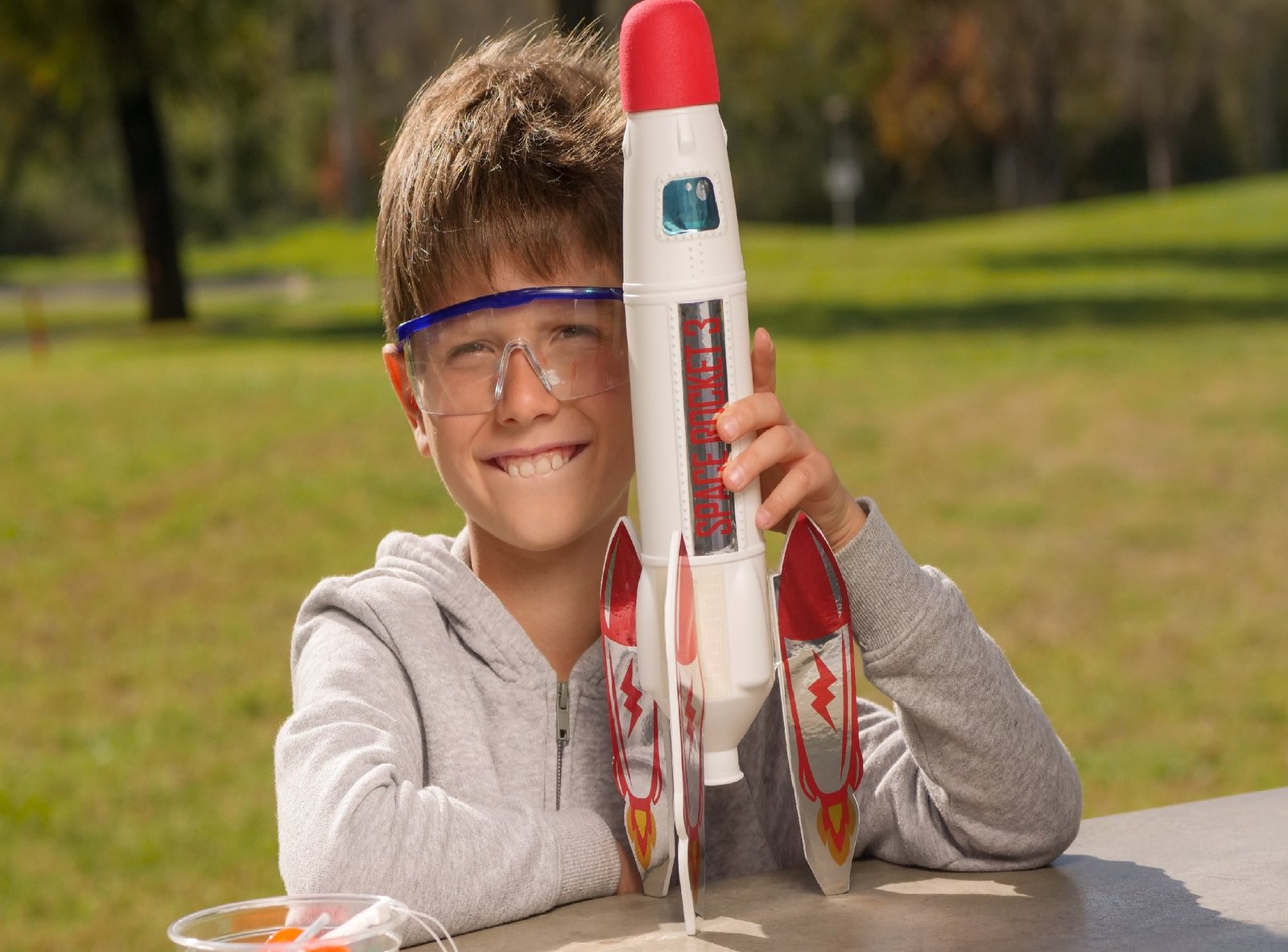
Introduction: In today's digital age, do-it-yourself (DIY) experiments have gained popularity among science enthusiasts and hobbyists alike. These hands-on endeavors allow individuals to explore various scientific concepts, conduct experiments, and satisfy their curiosity. However, when engaging in DIY experiments, it is crucial to approach them with a healthy dose of skepticism and critical thinking. In this blog post, we will delve into the importance of these skills and how they can enhance your DIY experiments. 1. Question Everything: Skepticism is the foundation of critical thinking. As you embark on your DIY experiment, it is essential to question the information and assumptions you encounter. Challenge the sources of your knowledge, test multiple hypotheses, and evaluate different perspectives. By questioning everything, you create an environment that fosters creativity, curiosity, and intellectual growth in your DIY endeavors. 2. Research, Research, Research: Before diving headfirst into a DIY experiment, it is crucial to conduct thorough research. Investigate the scientific concepts, theories, and principles underlying your experiment. Look for reliable sources, such as scientific publications, reputable websites, and peer-reviewed journals. By arming yourself with knowledge, you can make informed decisions and ensure that your experiment is grounded in sound science. 3. Safety First: When setting up your DIY experiment, safety should always be a top priority. Take the time to understand the potential risks and hazards associated with the materials and procedures involved. Follow proper safety precautions, use protective gear, and work in a well-ventilated area. By prioritizing safety, you can prevent accidents and enjoy your DIY experiment in a secure environment. 4. Control Variables: A key aspect of experimental design is controlling variables. As you plan and execute your DIY experiment, ensure that you maintain control over the factors that can affect the outcomes. By carefully controlling variables, you can analyze the cause-and-effect relationships more accurately, increasing the reliability and validity of your results. 5. Document and Analyze Results: Once you have completed your DIY experiment, take the time to thoroughly document and analyze your results. Maintain a detailed record of the procedures, observations, measurements, and any unexpected outcomes. Analyze your data critically, looking for patterns, discrepancies, and potential sources of error. By doing so, you can identify areas for improvement, adjust your methods, and draw meaningful conclusions from your DIY experiment. 6. Seek Peer Validation: Scientific inquiry thrives on collaboration and peer review. Although DIY experiments may not always be subjected to the same rigorous scrutiny as formal research, seeking peer validation can enhance the quality of your investigations. Share your findings with fellow science enthusiasts, join online communities, or consider participating in local science fairs or workshops. By seeking feedback from others, you can strengthen your experimental methods, catch errors, and expand your scientific knowledge. Conclusion: Engaging in DIY experiments can be an enriching and fulfilling experience. By embracing skepticism and critical thinking, you can elevate your DIY experiments to new heights. From questioning assumptions to rigorously analyzing results, these skills empower you to think like a scientist and delve deeper into the wonders of the scientific world. So, unleash your inner scientist, grab your lab coat, and let skepticism and critical thinking guide your DIY explorations! Seeking answers? You might find them in http://www.semifake.com


