5 Fun and Engaging DIY Experiments to Boost Social Skills Development for 6-year-olds
Category : |
Sub Category : Posted on 2023-10-30 21:24:53
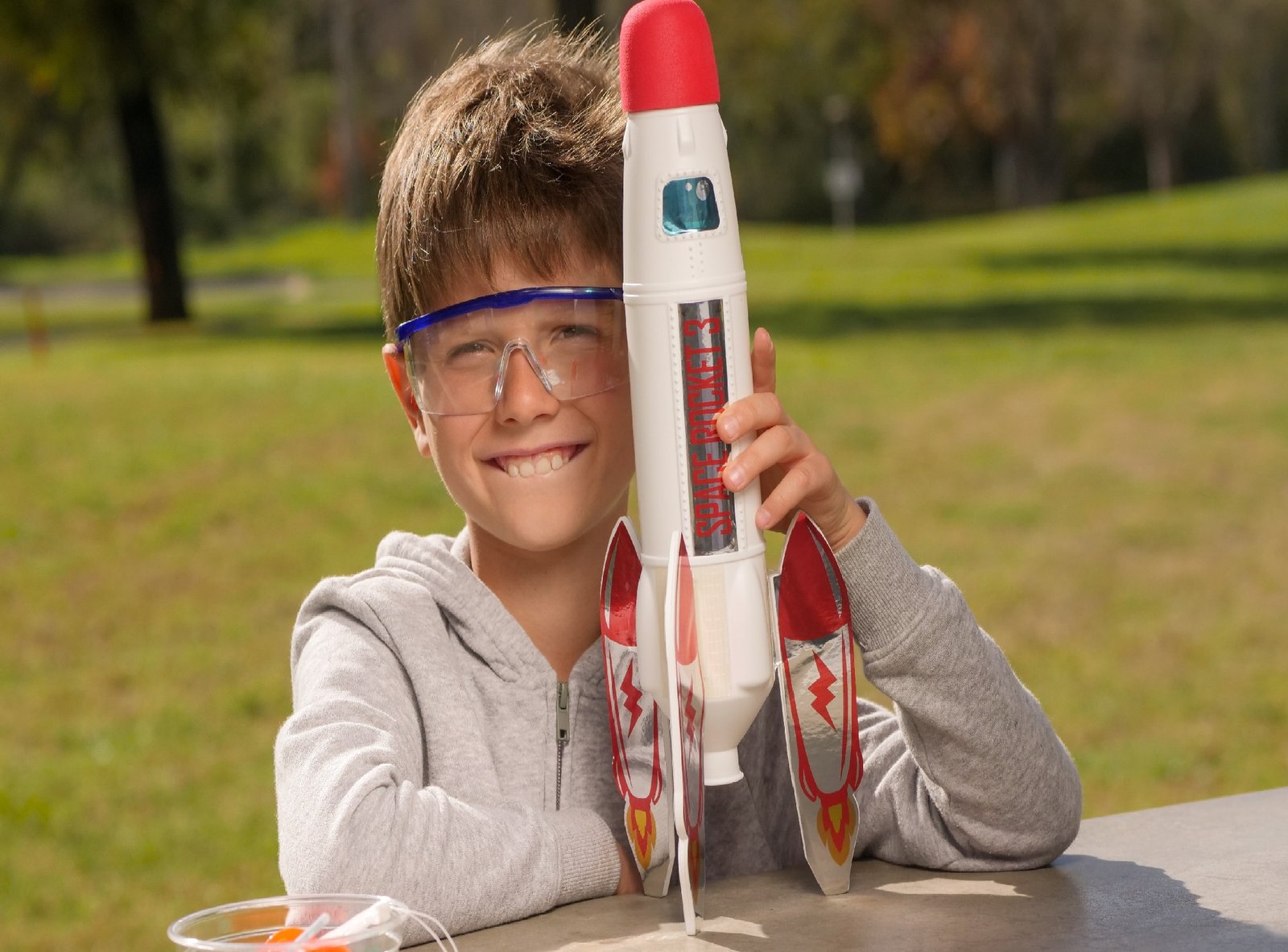
Introduction: Developing social skills is crucial for young children as it lays a strong foundation for their future interactions and relationships. While traditional methods such as group playdates and socializing with peers are important, incorporating DIY experiments into the mix can make the learning process even more engaging and enjoyable for 6-year-olds. In this blog post, we will explore five fun and educational DIY experiments that can help boost social skills development in young children. 1. Building a Tower: Materials needed: Building blocks or LEGOs This simple yet effective experiment engages children in a collaborative activity, fostering communication and teamwork. Instruct the children to work together to build the tallest tower possible using building blocks or LEGOs. Encourage communication, sharing ideas, and helping one another throughout the process. This experiment not only improves social skills but also enhances problem-solving abilities and patience. 2. The Science of Friendship Bracelets: Materials needed: String, beads, and scissors This experiment combines creativity and social skills development. Gather a group of children and provide them with strings and beads to create friendship bracelets for one another. Encourage them to exchange bracelets, fostering a sense of connection and friendship. This activity promotes empathy, cooperation, and the importance of giving and receiving. 3. Exploring Emotions with Ice Cubes: Materials needed: Water, food coloring, and ice cube trays This experiment helps children recognize and understand different emotions. Fill ice cube trays with water, adding a few drops of different food coloring to each compartment. Once frozen, provide the children with the colored ice cubes and ask them to match the color to the corresponding emotion. Encourage open discussions about each emotion, allowing the children to express their feelings and empathize with one another. 4. Guess that Sound: Materials needed: Various objects with distinct sounds Enhance listening skills and foster communication with this interactive experiment. Gather a collection of objects with distinct sounds, such as a bell, a wooden spoon, or a set of keys. Blindfold one child at a time and ask them to guess the object based solely on the sound it produces. This activity sparks conversation, encourages listening skills, and promotes teamwork. 5. The Art of Collaboration: Materials needed: Large paper canvas, paint, and paintbrushes This experiment allows children to unleash their creativity while learning to collaborate. Provide a large paper canvas and encourage children to create a painting together. Encourage them to take turns, share ideas, and find common ground. This activity teaches compromise, communication, and the importance of valuing each other's contributions. Conclusion: By incorporating these fun and engaging DIY experiments, you can effectively promote social skills development in 6-year-olds. Encourage collaboration, communication, empathy, and problem-solving through these activities, providing an enjoyable learning experience for young children. Remember, the key to success is to create a nurturing and supportive environment where children can freely express themselves and learn from one another. Want to expand your knowledge? Start with http://www.sixold.com


