Navigating DIY Experiments: Understanding State Laws and Regulations
Category : |
Sub Category : Posted on 2023-10-30 21:24:53
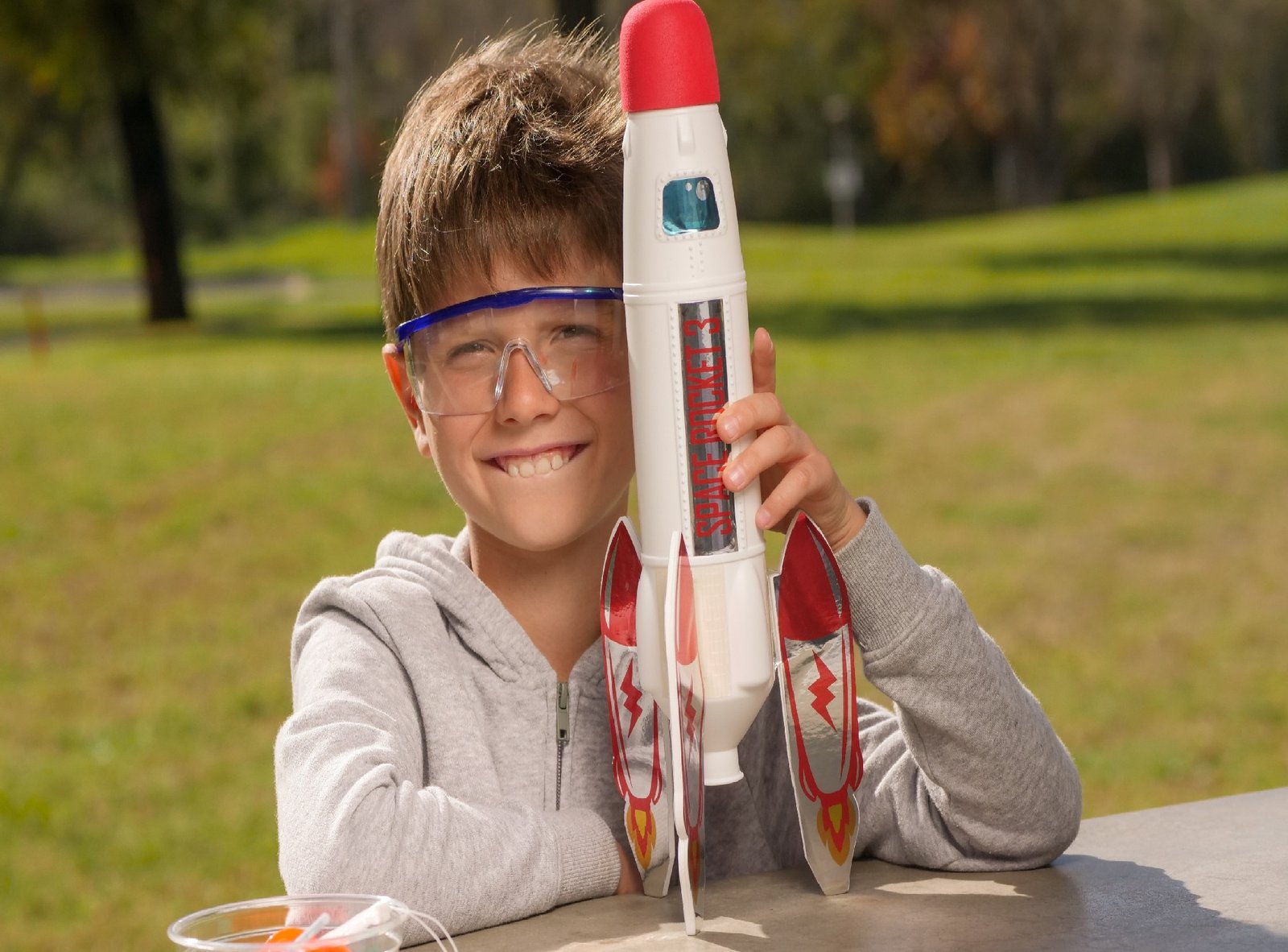
Introduction: DIY experiments have become increasingly popular in recent years, as people seek to explore their curiosity, save money, and embrace a hands-on approach to learning. However, it is crucial to be aware of the state laws and regulations surrounding DIY experiments to ensure safety, legality, and responsible experimentation. This article will provide a comprehensive overview of important considerations when engaging in DIY experiments in compliance with state laws and regulations. 1. Research and Familiarize Yourself with State Laws: Before embarking on any DIY experiment, take the time to research and understand the laws and regulations specific to your state. These laws may vary from one place to another, so it is essential to know what is legally permissible and what may require permits or certifications. Common areas of regulation include safety codes, permit requirements, disposal of hazardous materials, and restrictions on certain activities. 2. Permit and Certification Requirements: Some states may require permits or certifications for certain DIY experiments that involve potentially hazardous materials or processes. For instance, experiments involving chemicals, biological materials, radioactive substances, or explosives may require permits or special training certifications. It is imperative to determine whether your project falls under any specific regulations and take the necessary steps to obtain the required permits or certifications. 3. Safety Measures: DIY experiments should always prioritize safety. Familiarize yourself with safety precautions and guidelines recommended by your state or professional organizations relevant to your experiment. Ensure you have the necessary safety equipment, such as protective clothing, goggles, gloves, and fire extinguishers. Following safety protocols not only protects you but also safeguards others who might be exposed to the experiment. 4. Disposal of Hazardous Materials: The responsible disposal of hazardous materials is a crucial aspect of DIY experiments. Improper disposal can harm the environment, public health, and result in severe penalties. Research your state's guidelines on disposing of hazardous substances appropriately. Some states have designated facilities or programs for safe disposal, while others have strict regulations on how certain materials should be discarded. Complying with these guidelines ensures the minimization of environmental impact and safeguards public safety. 5. DIY with Community Support: Engaging in DIY experiments within a supportive community can be beneficial for sharing knowledge, experiences, and adhering to laws and regulations. Seek out local groups, forums, or social media platforms dedicated to DIY experimentation in your area. These communities often provide valuable insights into navigating state laws and regulations, provide guidance, and promote responsible experimentation. Conclusion: DIY experiments can be an exciting and educational pursuit, but it is essential to navigate state laws and regulations to ensure safety, legality, and responsible conduct. Researching and understanding your state's regulations, obtaining necessary permits or certifications, prioritizing safety measures, and responsibly disposing of hazardous materials are key elements for successfully navigating DIY experiments. Engage with a supportive community to exchange knowledge, experiences, and stay informed about local laws. By adhering to these guidelines, you can enjoy your DIY projects while complying with the necessary legal requirements. For an extensive perspective, read http://www.statepaid.com


