Unleashing Creativity and Problem-Solving Skills: DIY Experiments that Support the United Nations' Goals
Category : |
Sub Category : Posted on 2023-10-30 21:24:53
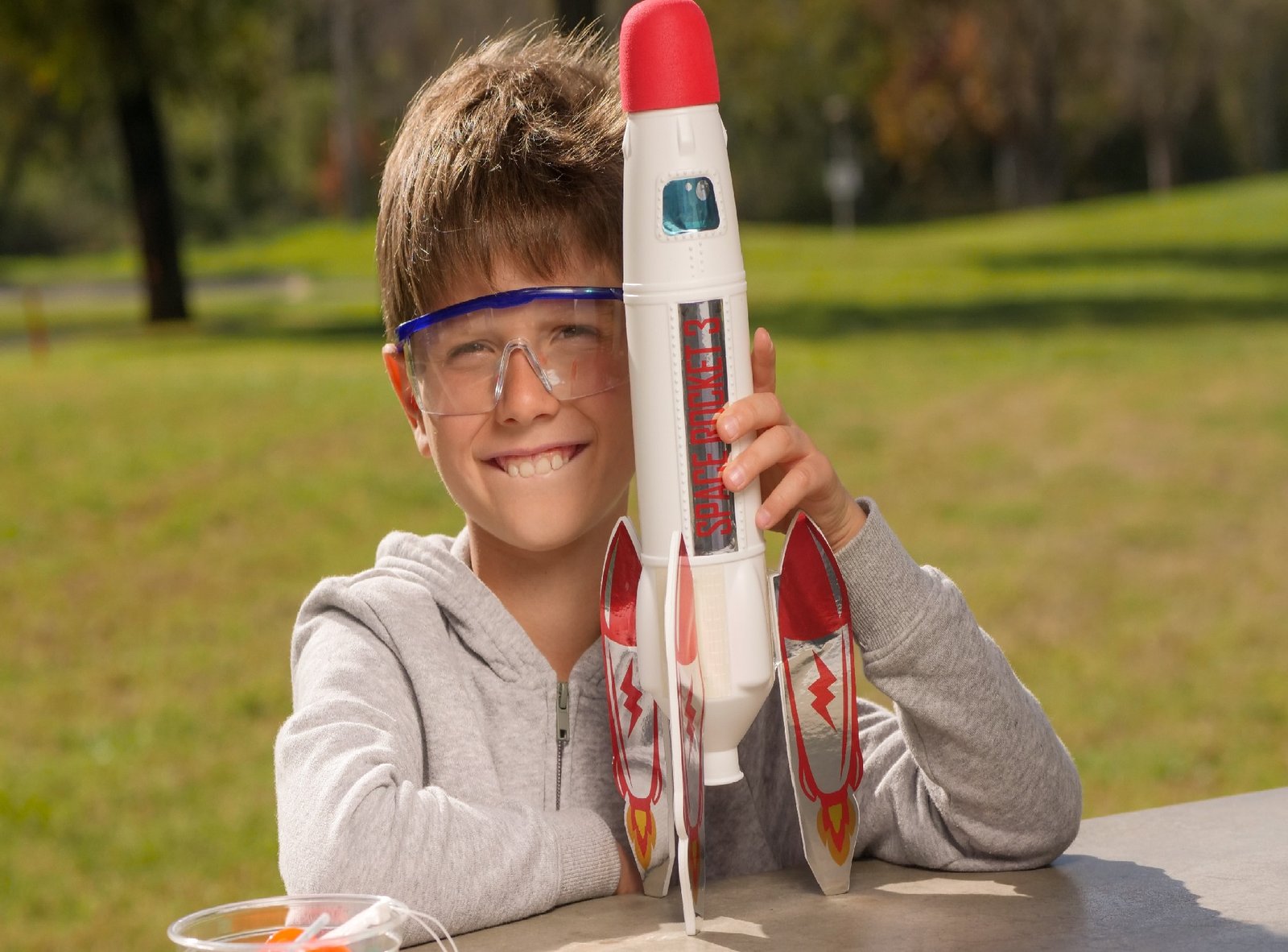
Introduction: The United Nations (UN) is an essential organization that strives to address global challenges and promote sustainable development. Its 17 Sustainable Development Goals (SDGs) encompass various aspects of improving lives and protecting the planet. DIY experiments may seem like a fun pastime, but they can also play a crucial role in supporting the UN's goals. In this blog post, we will explore how DIY experiments can contribute to creating a more sustainable and inclusive world. 1. SDG 4: Quality Education One of the significant goals of the United Nations is to ensure inclusive and equitable quality education for all. DIY experiments can be a fantastic tool to enhance learning and engage students in a hands-on manner. By designing experiments related to scientific concepts or environmental issues, educators can foster a deeper understanding of these subjects. Through experimentation, students can develop critical thinking skills, problem-solving abilities, and a genuine interest in the world around them. 2. SDG 6: Clean Water and Sanitation Access to clean water and proper sanitation is a fundamental human right. DIY experiments can help raise awareness about water conservation, water quality testing, and efficient sanitation practices. By conducting experiments at home or in a classroom setting, individuals can learn practical ways to save water, purify it using simple techniques, and understand the importance of maintaining clean water sources. 3. SDG 12: Responsible Consumption and Production Promoting sustainable consumption and production patterns is vital for the well-being of our planet and future generations. DIY experiments can encourage individuals to repurpose, recycle, and reduce waste creatively. For example, DIY projects that involve upcycling old objects or turning waste materials into useful products can inspire people to think differently about consumption and waste management. 4. SDG 13: Climate Action Climate change is a global issue that requires immediate attention. Engaging in DIY experiments focused on climate action can help people understand the impact of human activities on the environment. These experiments can range from creating a small-scale greenhouse to measure the effects of carbon dioxide on plant growth, to building solar-powered gadgets that demonstrate the potential of renewable energy sources. 5. SDG 15: Life on Land Preserving terrestrial ecosystems and biodiversity is crucial to maintaining a healthy planet. DIY experiments can educate individuals about the importance of biodiversity and how they can contribute to protecting it. Activities like creating backyard habitats for local fauna, conducting plant propagation experiments, or building simple insect hotels can foster a sense of responsibility towards preserving life on land. Conclusion: DIY experiments have the power to foster creativity, curiosity, and a sense of responsibility towards global issues. By combining the enthusiasm for hands-on activities with a focus on sustainable practices, these experiments can align with the United Nations' goals and promote positive change. Whether it's raising awareness about climate change, water conservation, or responsible consumption, DIY experiments can be an effective tool in creating a more sustainable and inclusive world. So, gather your materials, unleash your creativity, and embark on a journey of discovery that supports the United Nations' vision for a better future. Dropy by for a visit at the following website http://www.culturepolitics.com


