Home Science Experiments Made Safe with Insurance
Category : |
Sub Category : Posted on 2023-10-30 21:24:53
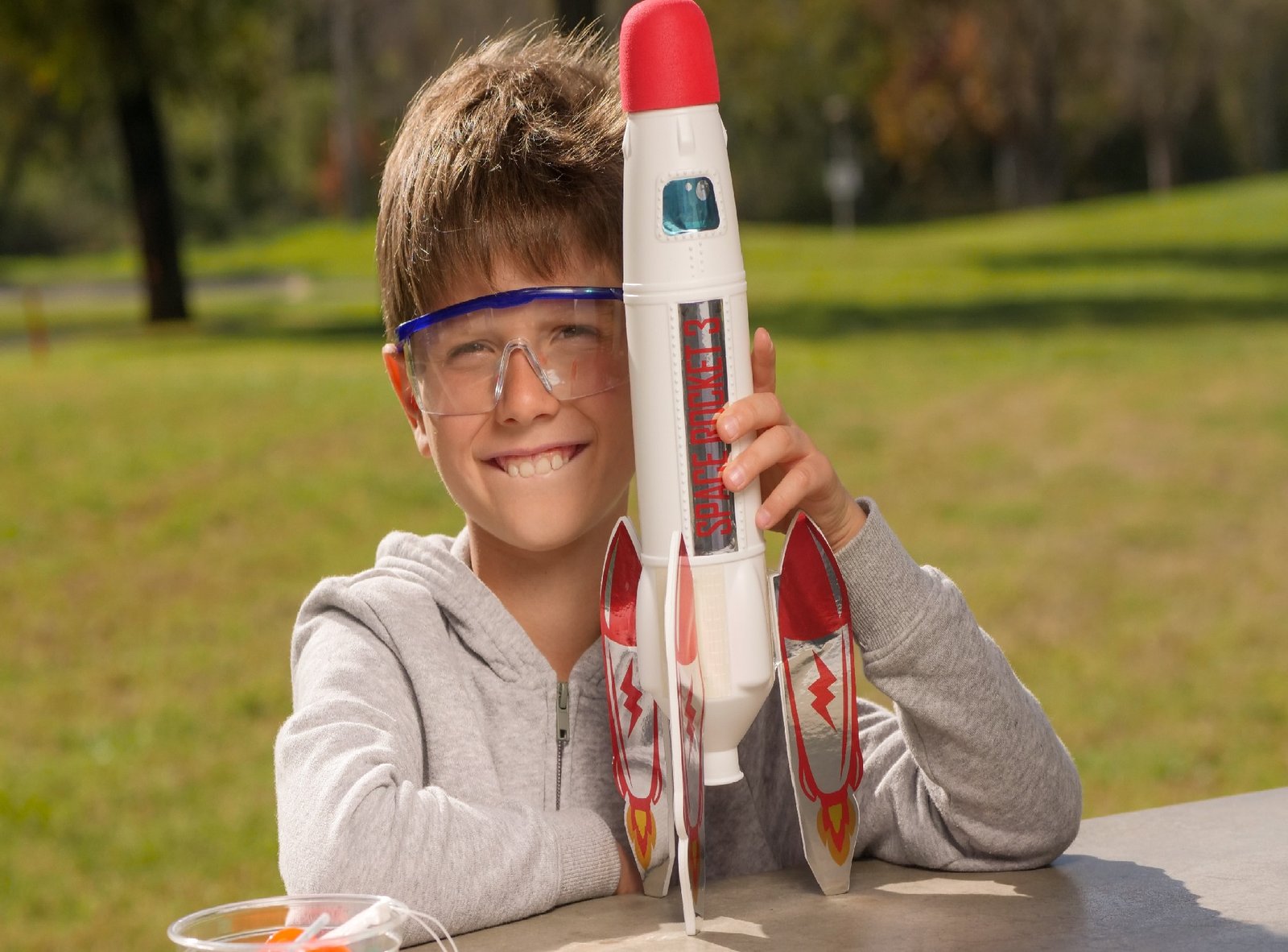
Introduction: Home science experiments can be a fun and educational way for both parents and children to spend quality time together. However, it's important to remember that while these experiments can be exciting, they also come with potential risks. That's why having insurance coverage is crucial when engaging in home science experiments. In this article, we will explore how insurance can provide peace of mind and protection when conducting experiments at home. 1. Understanding the Risks: Before diving into home science experiments, it's essential to understand the potential risks involved. Some experiments may involve the use of chemicals, fire, or other hazardous materials. Accidents happen, especially when dealing with elements outside of our everyday experiences. Recognizing and acknowledging these risks is the first step towards ensuring safety in the home. 2. Homeowner's Insurance: A homeowner's insurance policy typically covers personal liability, which can extend to accidents that occur on your property. If a mishap were to happen during a science experiment, resulting in damage to your property or someone getting injured, homeowner's insurance may help cover the associated costs. However, it's important to review your policy and discuss any potential exclusions or limitations with your insurance provider. 3. Liability Coverage: In addition to homeowner's insurance, it may be wise to consider additional liability coverage specifically tailored towards home science experiments. This type of coverage can provide protection in case of accidents or injuries related to the experiments. It's crucial to discuss this with your insurance provider to ensure you have the necessary coverage in place. 4. Safeguarding Your Home: Preventing accidents is always the best approach. To minimize the risks when conducting home science experiments, it's important to take necessary precautions. This includes creating a designated experiment area, ensuring proper ventilation, wearing appropriate safety gear, and closely supervising children during the experiment. By prioritizing safety, you can reduce the likelihood of accidents and subsequent insurance claims. 5. Document and Inventory: Another important aspect of insurance coverage is documenting your home science experiments. This documentation can serve as proof of your safety measures and the precautions taken. It's also beneficial to maintain an inventory of the materials and equipment used in your experiments. This can help streamline the claims process if any damage were to occur. Conclusion: Engaging in home science experiments can be an excellent way to foster curiosity and develop critical thinking skills. However, it's important to prioritize safety and be prepared for any unforeseen incidents. By having adequate insurance coverage, you can enjoy experimenting without the worry of potential financial loss. Contact your insurance provider today to discuss your coverage options and ensure the safety of your home science experiments.


