Fun and Educational Self-Study Home Science Experiments
Category : |
Sub Category : Posted on 2023-10-30 21:24:53
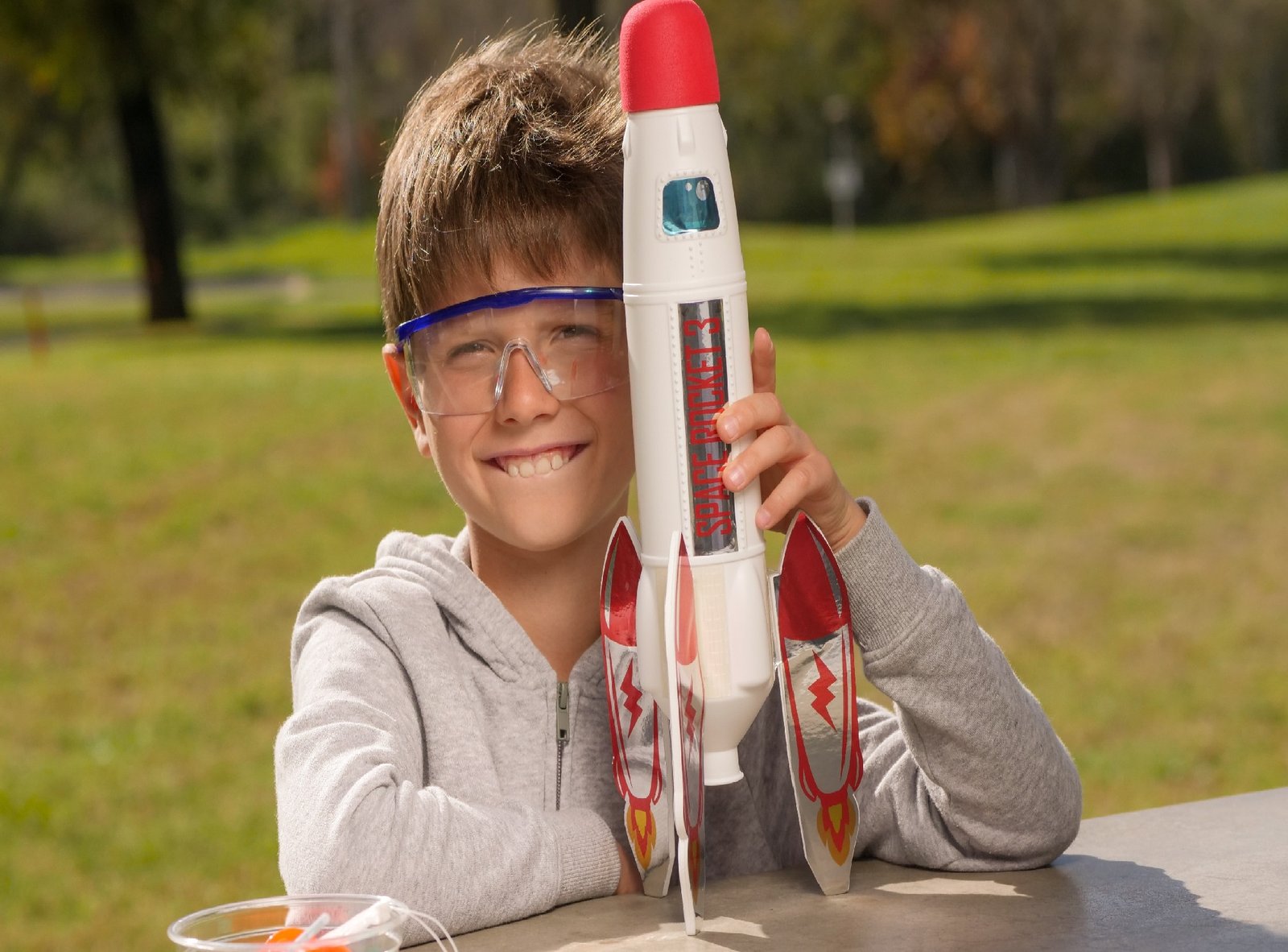
Introduction: With the rise of homeschooling and self-study opportunities, many parents and students are looking for ways to bring practical science experiments into their learning environment. Fortunately, there are plenty of exciting, hands-on experiments that can be conducted right at home! In this blog post, we are going to explore some fascinating self-study home science experiments that will engage and educate learners of all ages. 1. The Magic of Chemical Reactions: One of the simplest yet captivating experiments is observing chemical reactions. Mixing vinegar and baking soda, for example, creates a fizzy eruption. Students can explore different substances and determine which combinations result in the most dramatic reactions. This experiment not only provides a fun experience but also teaches the basics of chemical reactions and the concept of variables. 2. Journey to Aerodynamics: Let budding scientists explore the world of aerodynamics by creating paper airplanes. Students can experiment with different designs, altering wing shapes and sizes to see how they affect flight distance and speed. This experiment allows for creativity while also teaching essential principles such as lift, drag, and gravity. 3. Exploring Density: An experiment to understand density requires only a glass of water, various items, and some curiosity. Start by placing different objects in the water and observe if they sink or float. This experiment helps individuals understand the concept of density by identifying that denser objects sink, while less dense objects float. Experiment with different materials and determine their relative densities. 4. The Power of Solar Energy: Harnessing the sun's energy is an exciting experiment that introduces the concept of renewable energy. Encourage students to build a solar oven using a cardboard box, aluminum foil, and plastic wrap. They can test its effectiveness by cooking s'mores or melting chocolate. This experiment not only demonstrates the practical use of solar energy but also sparks discussions on sustainability and alternative energy sources. 5. Scientific Art: Making Homemade Slime: Get creative with scientific art by making homemade slime! This experiment involves mixing glue, water, and a slime activator (such as borax solution or liquid starch). Students can experiment with different ratios and ingredients to achieve their desired slime texture. This fun and hands-on activity teach lessons about viscosity, polymers, and chemical reactions. Conclusion: Engaging in self-study home science experiments not only provides an opportunity for hands-on learning but also promotes curiosity, problem-solving skills, and critical thinking. Whether you're homeschooling or simply looking for extra educational activities, these experiments are a fantastic way to make science come to life within the comfort of your own home. So, grab your lab coats, gather your materials, and let the exploration begin!


